
Organic mulch is just one of the many choices among the variety of mulch types at the garden stores these days.
Honestly, it’s a little overwhelming to shop for mulch because of all the options, including natural mulch, rubber mulch, red mulch, black mulch, you name it.
However, I’ve become a convert to organic mulches lately. And not because it’s cheaper (it’s not), and not because it comes in a variety of colors (it doesn’t really…). But because it’s good ol’ Mother Earth’s mulch.
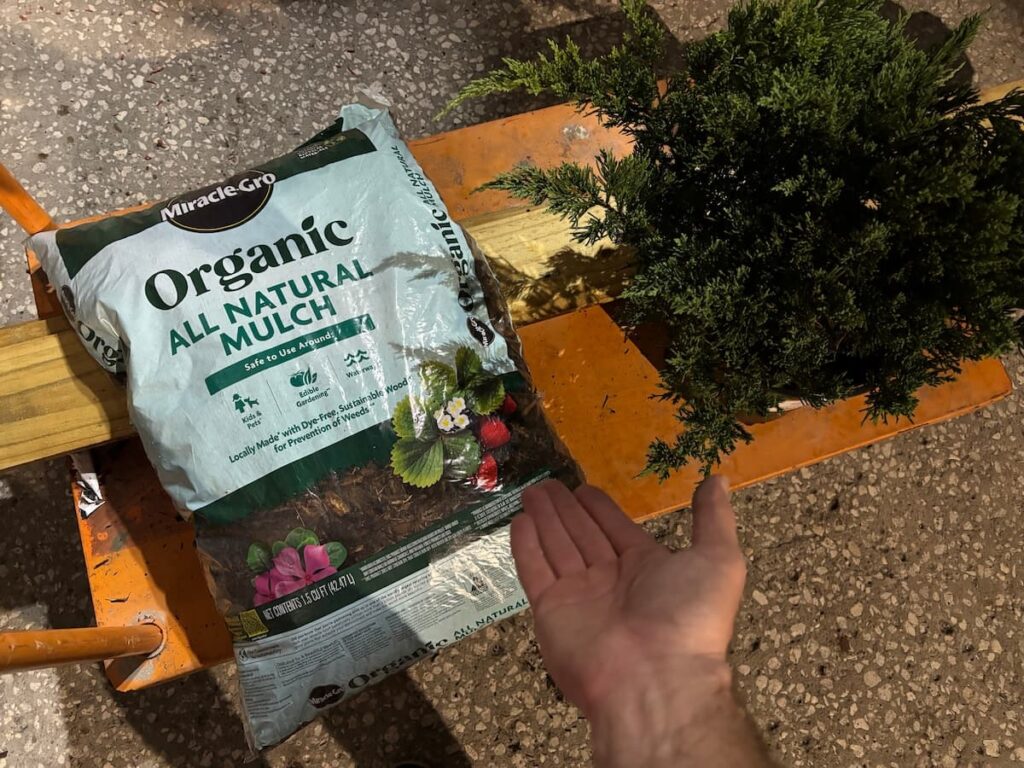
As you’ll see, organic mulching isn’t a perfect solution. But it’s a wonderful — and totally natural — option for those who want a biodegradable and decorative ground dressing.
Pros & Cons Of Organic Mulch
If there’s anything I’ve learned about mulches, it’s that there’s no such thing as the perfect kind. Why, even mulching itself can cause problems if not done correctly.
The same can be said for organic mulches. They are an ideal solution if you want a natural weed suppressant that can also help keep your plants’ roots moister and help prevent them from drying out. However, there are some drawbacks to using organic mulch, too.
Here’s a look at the pros and cons of organic mulch:
Pros
It helps keep organic plantings organic
The term “organic” isn’t just a trendy buzzword. Its meaning carries the weight of vowing to use natural methods when sowing seeds, raising and fertilizing plants in your garden, and preventing pests from harming your plants. What good is all the effort to tend an organic garden if your plants are surrounded by mulches that contain dyes, pesticides, and other artificial additives? Using organic mulch helps ensure your organic garden is, yes, organic.
Organic mulch boasts natural color
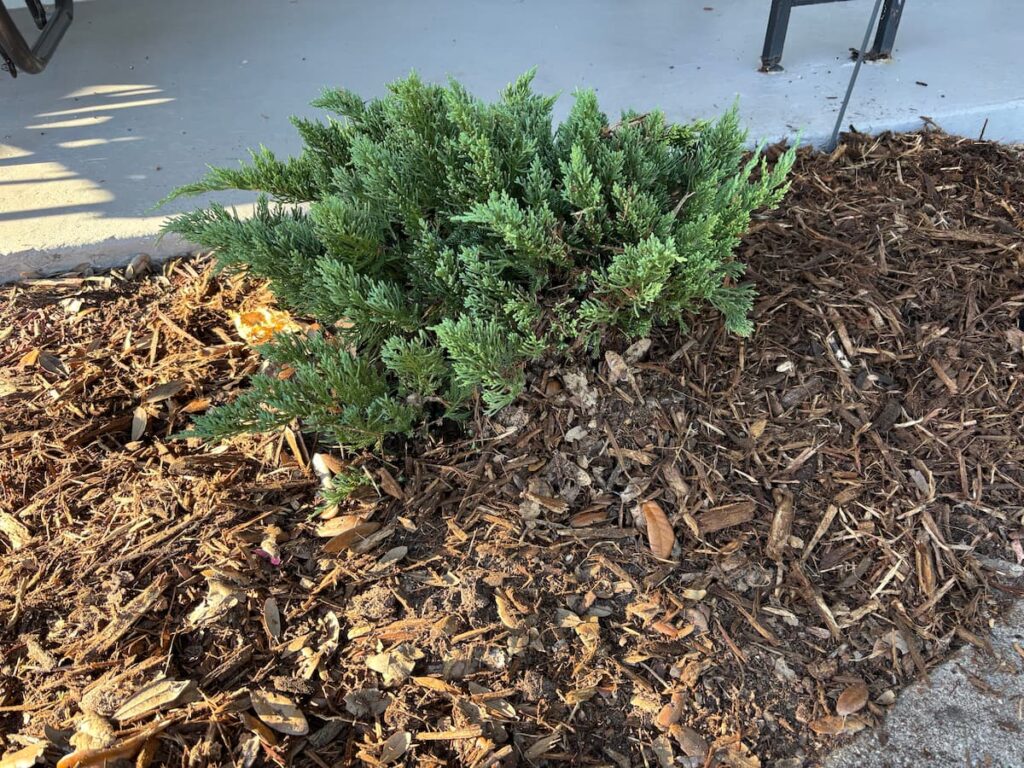
Peruse the pallet racks of a typical big-box home-improvement store nursery and what do you see? Walls of red mulch, black mulch, brown mulch — you name it… Many people like their mulch to be a certain color. But have you ever wondered how these red, brown, and black mulches get their color? Yep, dyes… With organic mulch, you’re not getting dyed landscape topping. You’re getting mulch with its natural color, whatever that may be. Maybe deep brown, perhaps reddish orange. Perhaps some black and brown mixed with streaks of red. You can’t guarantee the color of natural mulch. However, you can bet your money on this: organic mulch isn’t going to leach harmful dyes into your plants and soil.
Organic mulches help improve soil
As organic mulch naturally decomposes, it will infuse your garden’s soil with a variety of nutrients that can enrich your soil and help make your plants healthier. You know what’s crazy? I noticed this within only a couple of months of digging up some soil from under a bedding of organic mulch I laid down in a garden bed… The soil seemed darker and richer than surrounding soil from other beds that I hadn’t applied natural mulch to yet. However, I haven’t yet conducted soil tests to confirm by just how much of a difference there was between the nutrient-rich soil under the organic mulch and the regular soil covered by the old mulch. I’d be curious what the results of a soil test would say.
Cons
Organic mulches cost more than regular mulches
At the time I bought my first bag of organic mulch, I could buy 2-cubic-foot bags of regular mulch for between $2.50 and $3.50 each. Conversely, a 1.5-cubic-foot bag of the organic mulch I bought was around $4 each. Now, that may not sound like much at first glance, but do the math here with me: let’s use an average of $3 per 2-cubic-foot bag of regular mulch versus the $4 for the 1.5-cubic-foot bag of the organic alternative. That comes to an average of $1.50 per cubic foot of regular mulch as opposed to about $2.66 per cubic foot of organic mulch; that’s over $1 more per cubic foot of organic mulch. That can really add up when you’re mulching a large area, like an entire hedge or even all the planting beds in your yard.
You’ll need to replace organic mulches more frequently
Because organic mulches are au naturel and untreated, it also tends to decompose more quickly. Now, don’t get me wrong — this can be a wonderful thing for enriching your soil. But the downside? You’ll need to replace organic mulches more often because it will break down much more quickly than the ordinary bagged mulches you find at the home-improvement center. So, that means spending more money more often on buying more-expensive mulch, which also translates to spending more time having to go to the store or local nursery and buy that mulch and then spread it in your planting beds and landscape. WHEW!
Organic mulches may attract more pests and vermin
Again, organic mulches aren’t chemically treated to resist or ward off bugs, snakes, rats, and other creatures. So, you may find your garden is more infested with creepy crawlies you don’t want lingering around your yard. My advice? If you like the idea of using organic mulch but are concerned about introducing vermin or termites too close to the foundation of your home, take a split approach. Perhaps it’s best to use organic mulch in planting beds located farther from your house and find another natural alternative to standard mulch for topping beds adjacent to your home.
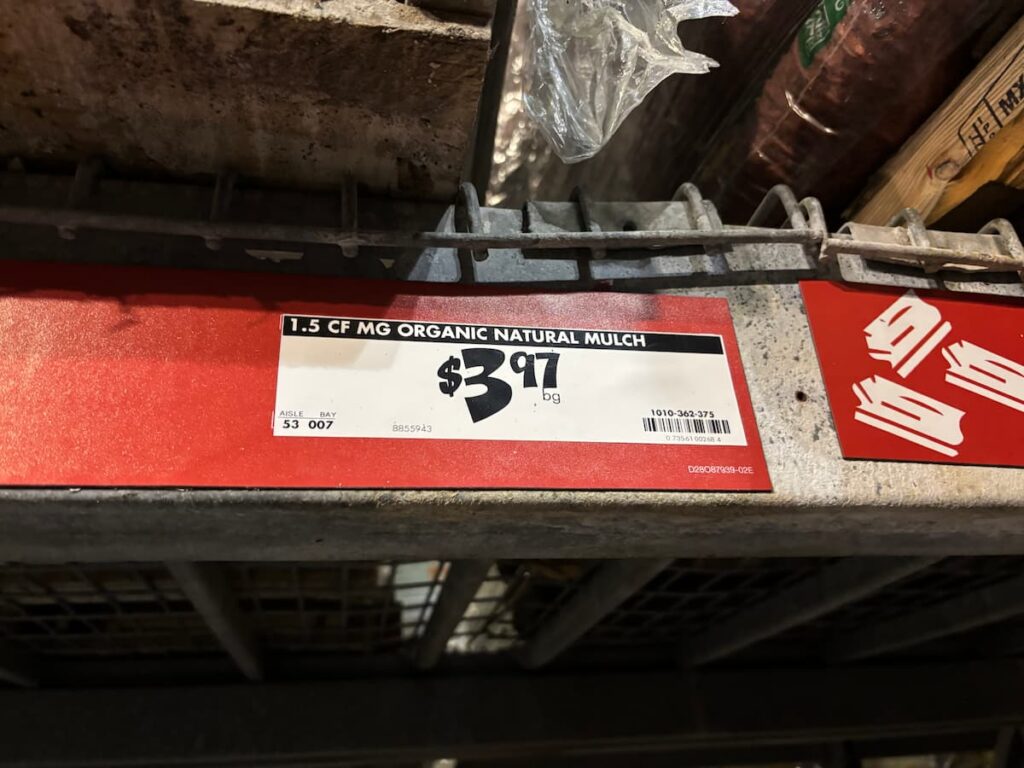
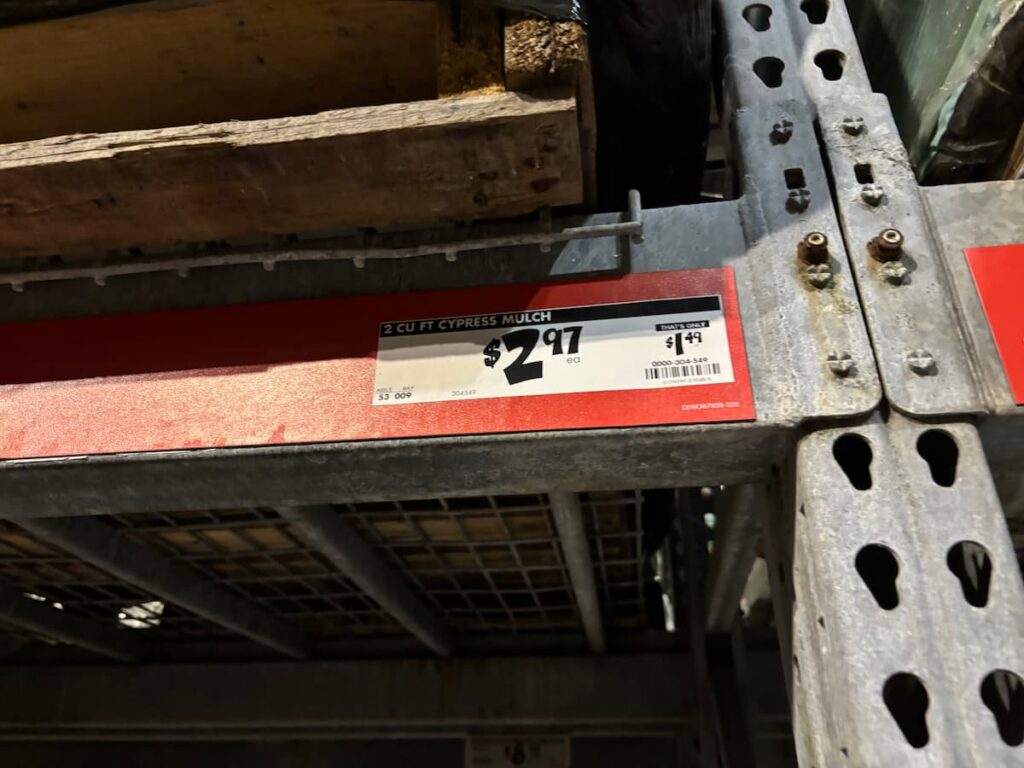
As you’ll see, the price difference between organic mulch and standard landscape mulches is real. Is that added expense in buying organic mulches worth it? I think so, especially if you’re adamant on keeping your yard as organic and natural as possible.
But the elevated price for buying organic mulches will certainly add up for big mulching jobs. The added cost will be further noticeable if you wind up replacing the organic mulch more frequently.
Where Can You Buy Organic Mulch Near You?
I have seen organic mulches in a variety of retail settings. These include big-box home stores, local nurseries, and even a few of the larger hardware shops that boast garden center. I suggest shopping around to see who carries organic mulch near you. Do some price comparisons on which of these stores offer the best bang for your buck. Remember, don’t just look for the cheapest price — consider the best combination of quality and quantity of organic mulch per dollar spent.
If you’re like me, you may become an organic mulch convert. Yes, it’s more expensive, but I also feel better about what I’m mulching my landscape with. And ultimately this move toward organic mulches only helps out Mother Nature in the end.